The Nawakwa Outdoor Association of New York, Inc.

Keyholder —> Log in

The Nawakwa Outdoor Association of New York, Inc.

  • Instagram
  • Facebook
  • Twitter
  • Home
  • Calendar
  • All Posts
  • News
  • Photos
  • Join a Hike/Outing With Us
  • Directions
  • The Trail Marker
  • Interested in becoming a member?
  • Forum
  • Contact us

100 Years: Transitioning from Camp Blue Bird 1925 – 1926

May 5, 2020 Leave a Comment

A series of posts as we look forward to the 100th Anniversary of ADKNY in 2023

The NY Chapter, ADK moves from subleasing Camp Blue Bird to having a camp of our own.  To quote from Ira Ayers’ “A History”:

“During the summer of 1925, while working for the Camp Department of the Park, Miss Jolliffe, the Superintendent of Camps, asked me if the New York Chapter would like to have a camp on the new Lake Sebago. Elevation 778 feet.  My reply was a positive “yes” but that the official offer should be made direct to the Chapter Council.  This was done and the offer was immediately accepted officially.

The first big question that required an answer was where should it be located.  A committee consisting of A.T. Shorey, Adolph Sippe and a third was appointed to recommend the site.  The location selected by this committee was in the birch grove on the east side and near the upper end of the north arm.
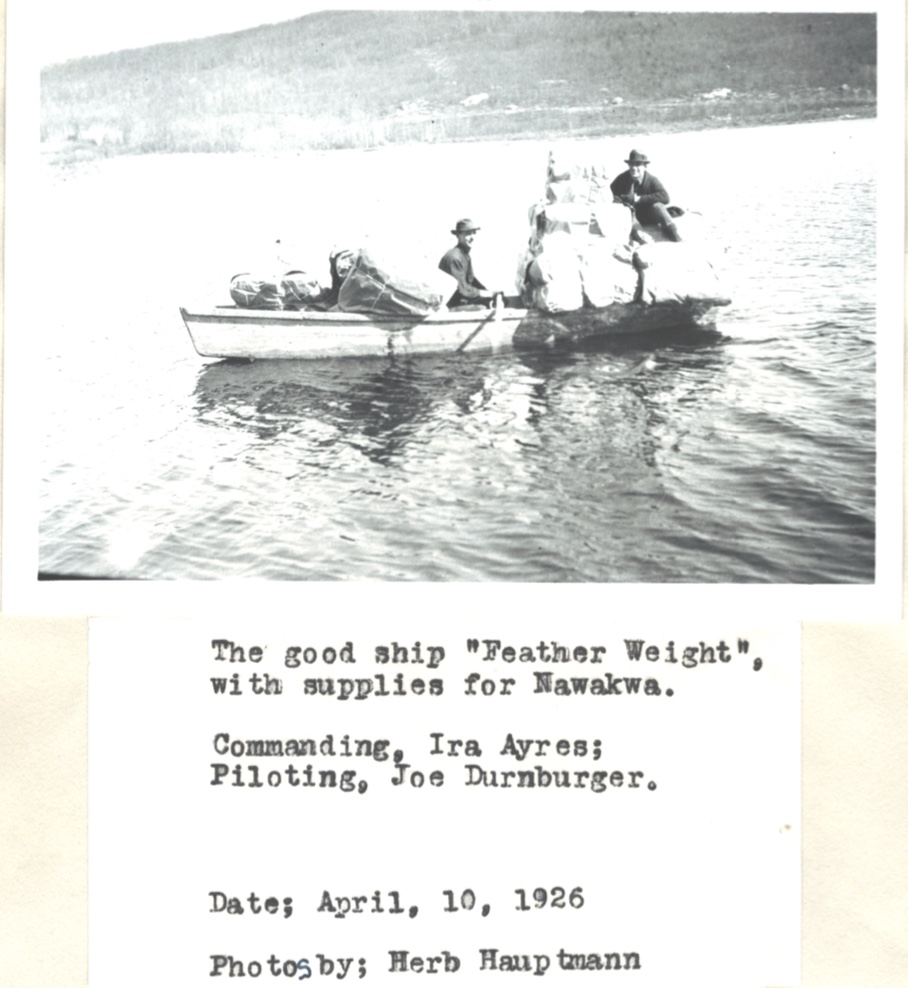
 

This provoked a storm of protests.  In those days almost everyone rode to Sloatsburg or Tuxedo and walked in.  The protestors wanted a location on the west side of the lake and on deep water.  Herbert Hauptmann, Walter Shannon and myself and others walked down from Blue Bird on numerous occasions to scout the area.  We pressured the Council to select the present site which appears to us to have been the best.  The site was officially selected by the Chapter and Frank J. Oliver met J.J. Tamsen, the Superintendent of Construction, and the location was official with the Park.

Before any definite action could be taken it was necessary to decide on what the capacity of the camp should be.  The Camp Committee had many loud and active sessions discussing this point.  Some were very strong for a capacity of about 25.  Others wanted a much larger capacity to provide for growth and expansion, and also to provide income sufficient to pay the rent.  The final decision was a capacity of 60.  Now we were in a position to tell the Park the desired dimensions and number of cabins, and also to make the appropriate plans for the necessary equipment to be purchased.   From our experience at Blue Bird, it was decided to have all the sleeping quarters out and away from the main building.  Also, it was thought best to have the buildings somewhat removed from the shoreline.
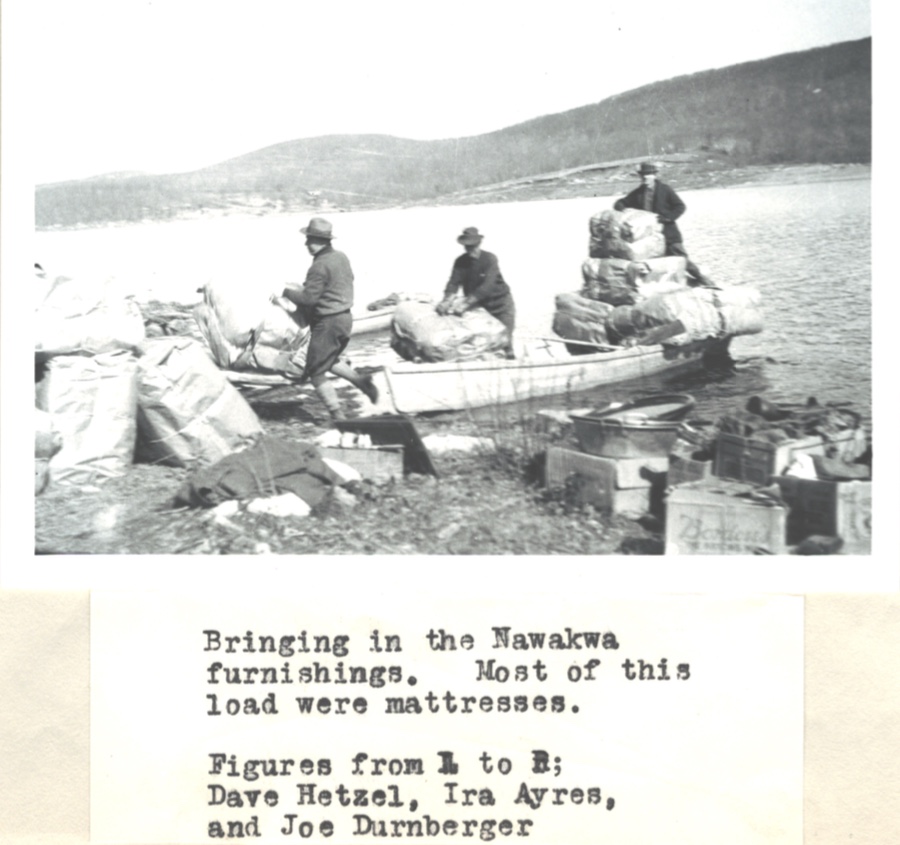
 

I met Mr. Tamsen at the site and selected the locations of the main building, the five cabins and the dock.  The sixth cabin was added in 1929.  The dock was located on deep water and also where it would be clearly visible from the porch.  Mr. Tamsen then made his plans for the construction which we requested to be completed by April 1, 1926.  The chimney and fireplace were completed before the winter set in.  All the equipment and supplies were trucked in over the ice and up the old road from the canoe dock.  Also the coal range, the small folding tables and the pump and water line from the lake was brought in at the same time.  These items were purchased from the Park.  Of course there was no road in to camp at that time.”

1925 was a busy year for the NY Chapter and the Adirondack Mountain Club.  Our Chapter had been established two years earlier.  The Albany Chapter was the first Chapter to be established only three years earlier.  A vote was taken to amend the ADK Constitution to address the division of members’ dues between the parent club and the chapters to provide the chapters with the necessary finances to support their local activities.  Members of the NY Chapter withheld payment of their dues to support this cause.  One incentive for the main club to support this was their interest in forming additional chapters.  The new financial arrangement would encourage regions throughout New York State to create chapters and thus increase the membership of the ADK.

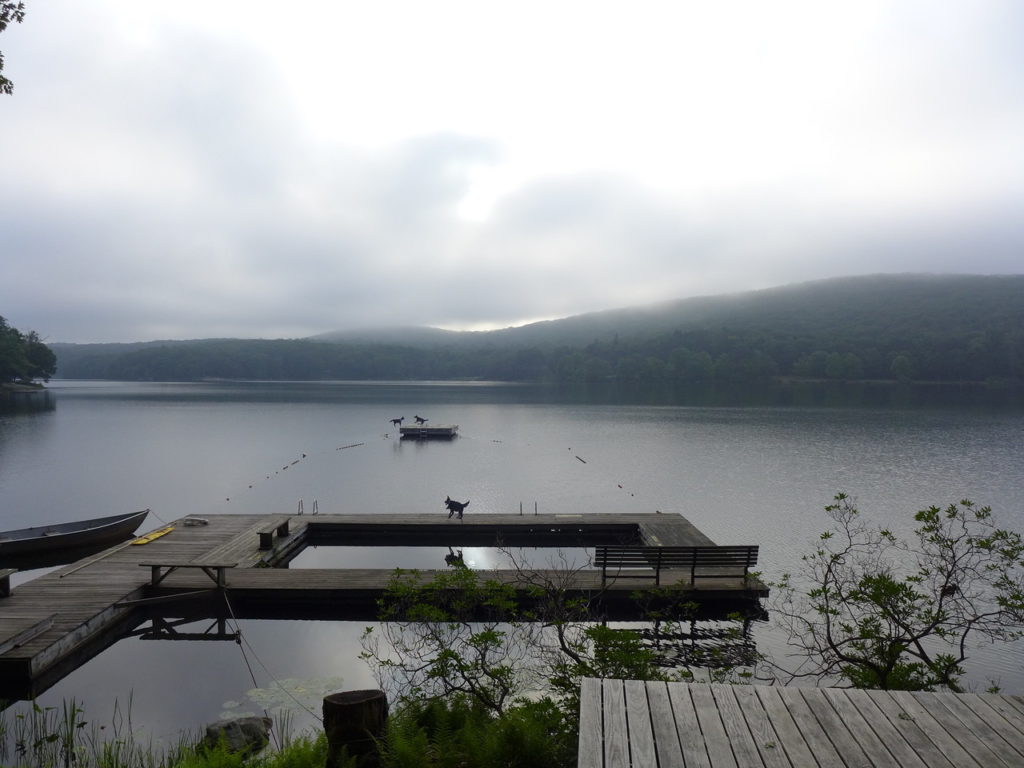
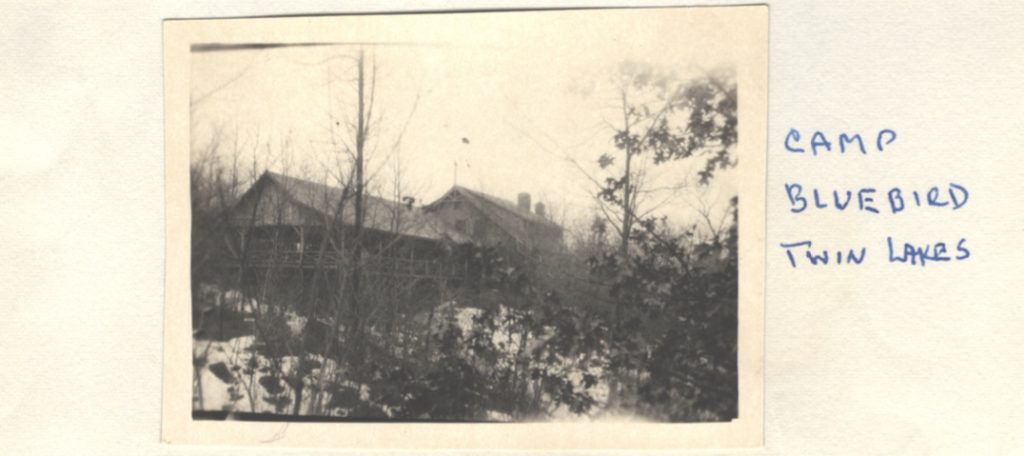
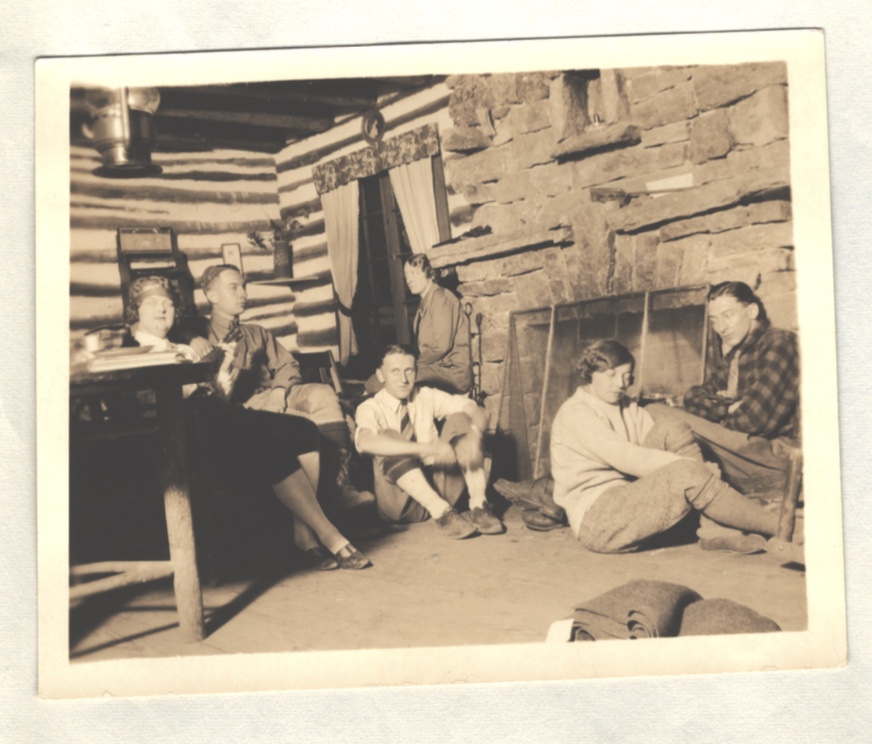
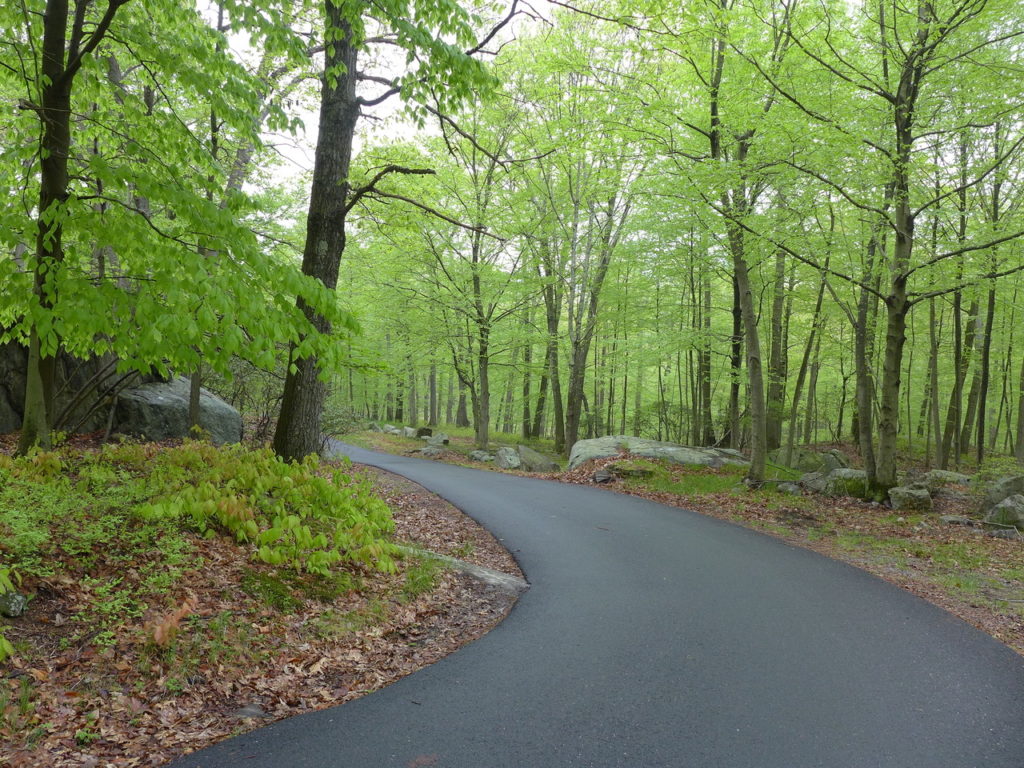
The attached photos are from Walter Weaver’s photo album generously contributed by his son, Geoff Weaver.  The photographer:  Herb Hauptmann.


Ellen King

Archives Committee
Filed Under: News, Photos

Camp opening delayed until at least June 1

May 3, 2020 Leave a Comment

The latest from Harriman State Park. We will continue to share information as we receive it.

—-

Good Morning

I hope this finds you all well.  I am reaching out to inform you of our decision to extend our delay of the group camp season until June 1st 2020. This follows a similar decision made by New York State to delay the opening of their campgrounds.

We will be planning a conference call during the week of May 11th. We hope to have a clearer picture at that time. Again I would like to extend my true appreciation of all  your patience and understanding as we navigate through these difficult times.

Thank you and be safe.

David Bourne

Park Manager 3

—-

Filed Under: News

More Photos from Glen

May 3, 2020 Leave a Comment


Filed Under: Photos

100 Years: Camp Blue Bird

May 3, 2020 Leave a Comment

A series of posts as we look forward to the 100th Anniversary of ADKNY in 2023

Harriman State Park was officially open for 14 years when the NY Chapter moved from subleasing Camp Quannacut on Queensboro Lake to subleasing Camp Blue Bird on the east side of Upper Twin Lake.  The twin lakes were devoted to girls camps.  A girls camp (possibly the NY Jewish Big Sisters) used it during summers and the NY Chapter moved in in the fall of 1924.  In May our Chapter vacated Camp Blue Bird and returned in October and remained until April 1925.


Group camps began in the park in 1913 with the belief that parks should be for all people, particularly the underprivileged.  That year, there were 82 different organizations occupying 86 complete camping units in the Palisades Interstate Park (Harriman and Bear Mountain).  At its peak, around 1,500 structures were maintained by the Palisades Interstate Park to serve them.  These structures included cabins, recreation buildings, canteens, bathhouses, mess halls, and ancillary buildings.   Many occupied camps all the year around, but make greater use of them for the summer.  The children’s camps were mostly for summer use.  The total weekly camping population for 10 summer weeks was over 10,000 boys, girls, and adults.  The grand total for the summer season was 60,000.  The camps were run with private donations.  No state funds were granted until there was a need dispose of waste water from the camps.  The state appropriated $50,000 for a system of waste water disposal.


To give you a flavor of the other camps, they included:

  • Camp Fire Girls of Greater New York (the largest organization) occupied three different camps
  • Camp TERA for 200 homeless and unemployed girls funded by the NY Life Insurance Company + Eleanor Roosevelt
  • Y.M.C.A of the Oranges, NJ + many other Y.M.C.A groups as well as Y.M.H.A.s
  • The Hebrew Orphan Asylum of NY
  • Union Settlement Association
  • Girls Friendly Society, Diocese of NY
  • Boy Scouts (many different troops)
  • NY Protestant Episcopal City Mission Society
  • Idlewild Pleasure Club (social club from the Lower East Side)
  • Summer School Camp of the School of Education, New York University (they had several camps)
  • Negro Fresh Air Committee
  • Rogers Peet Company (clothing store) camp for their employees
  • Baker Camp for First National City Bank of the City of NY (forerunner of Citibank). George F. Baker, Sr. gifted the camp to his employees.
  • Green Mountain Club
  • New York Life Insurance Company for their employees

For 28 years these camps were overseen by the Group Camp Director, Miss Ruby Jolliffe.  Under her domain, the number of camps grew to 102 before settling in at 71.  It was the largest camping association in the country.  She is a historic figure in the annals of the Palisades Interstate Park.


Ellen King

Archives Committee
Filed Under: News

Nawakwa Memories

May 3, 2020 Leave a Comment
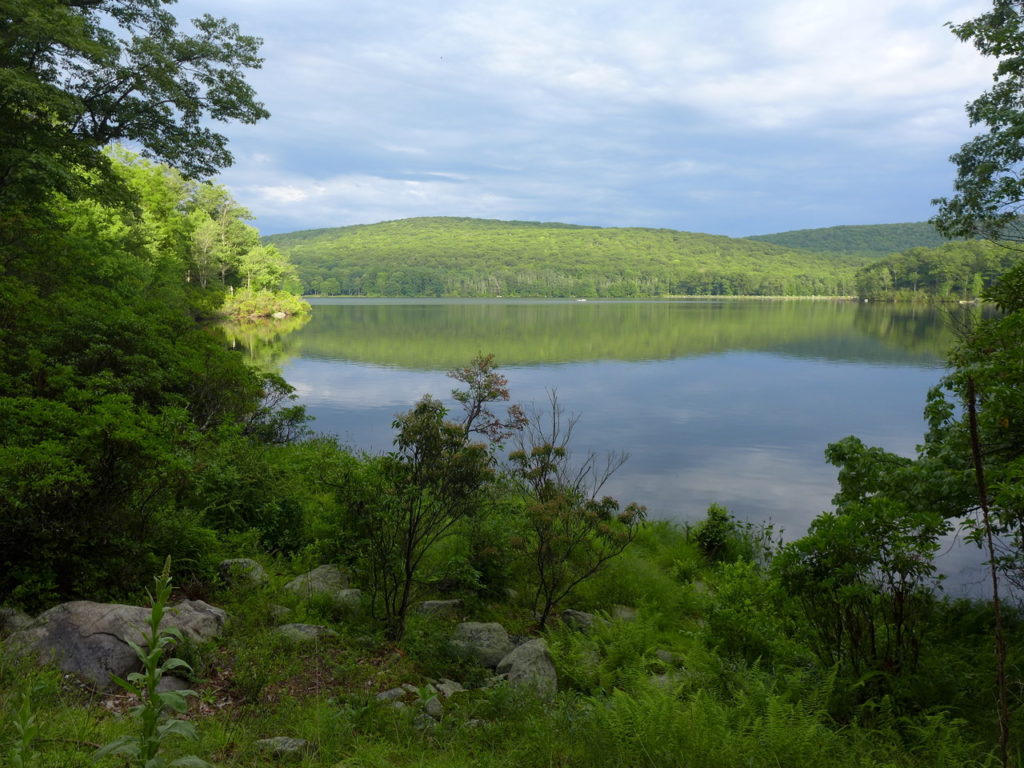
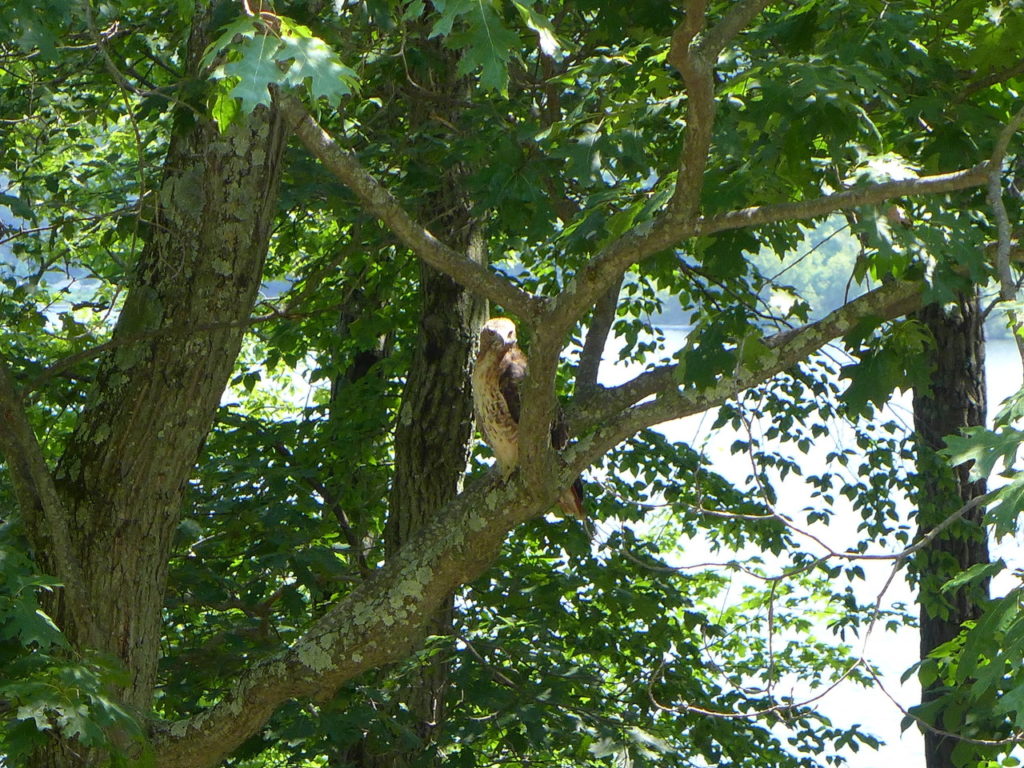
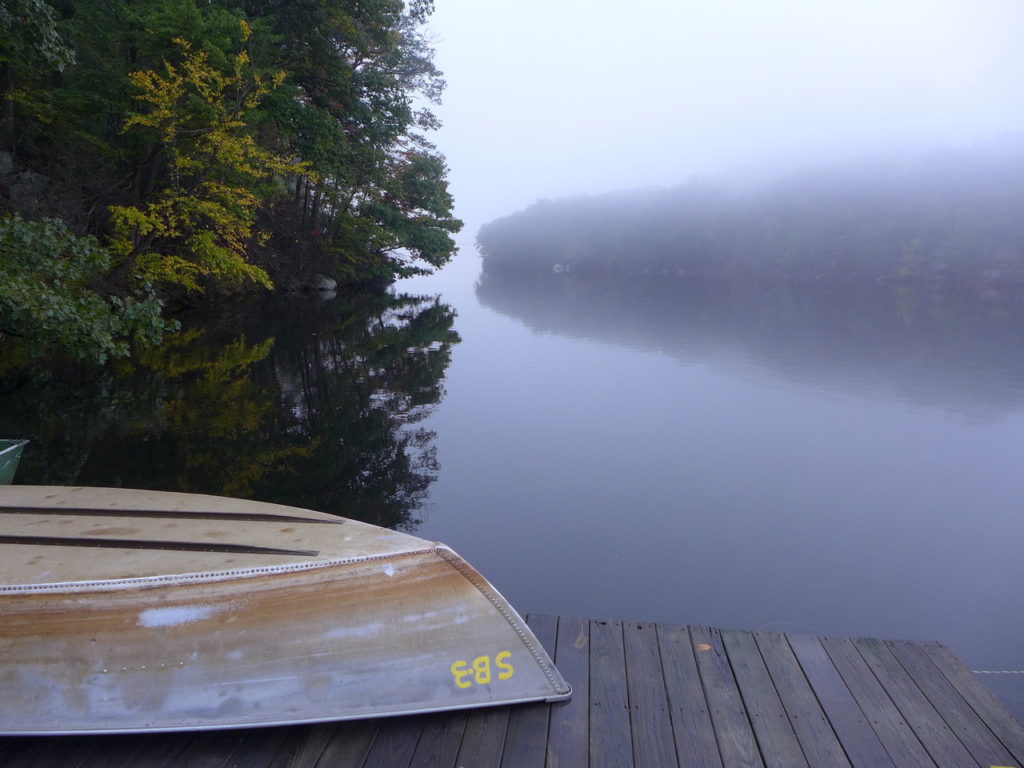
Some Nawakwa and Harriman photos until we can visit again.

https://noany.org/hiking/wp-content/uploads/2020/04/MVI_3051-iPhone-iPod.m4v

Camp Nawakwa wake up bell and yodel


Filed Under: Photos

  • « Previous Page
  • 1
  • …
  • 89
  • 90
  • 91
  • 92
  • 93
  • 94
  • Next Page »
March 2026
S M T W T F S
1234567
891011121314
15161718192021
22232425262728
293031  
« Feb    

Recent Posts

  • Cancelled: Winter Social February 21, 2026
  • Now available: the 2026 Nawakwa Passport February 20, 2026
  • View of snowy Camp Nawakwa January 27, 2026
  • RESCHEDULED: Winter Social February 22 December 6, 2025
  • Photos from the Post-Thanksgiving weekend at Nawakwa December 1, 2025

Founded in 1923, the Nawakwa Outdoor Association of New York, Inc. is a membership organization dedicated to the enjoyment of the outdoors through hiking, walking, camping, swimming, skiing, sailing, canoeing, and kayaking, and to the conservation and preservation of our wilderness, particularly the mountains, lakes, trails, and camping areas of the metropolitan New York region.


Copyright © 2026 · Outreach Pro on Genesis Framework · WordPress · Log in